Experience Traditional Healing
Learn authentic Ayurvedic practices with modern facilities
Explore Courses
Start Your Ayurvedic Journey
Quality education with modern infrastructure and expert faculty
Apply TodayDepartment of Kriya Sharir
Study of Human Physiology according to Ayurvedic Principles and Modern Physiology
About the Department
The Department of Kriya Sharir focuses on the physiological functions of the human body according to Ayurvedic principles as well as modern physiology. It deals with the study of Dosha, Dhatu, Mala, Agni, Prakriti, and various body mechanisms responsible for maintaining health and life processes.
Objectives of the Department
The department aims to provide students with comprehensive knowledge of body functions and physiological balance. It helps students understand normal body mechanisms and the causes of disease development.
- Understanding Ayurvedic physiological concepts
- Developing knowledge of body functions and mechanisms
- Understanding health and disease progression
- Improving clinical understanding through practical learning
- Integrating Ayurveda with modern physiology
Teaching Methodology
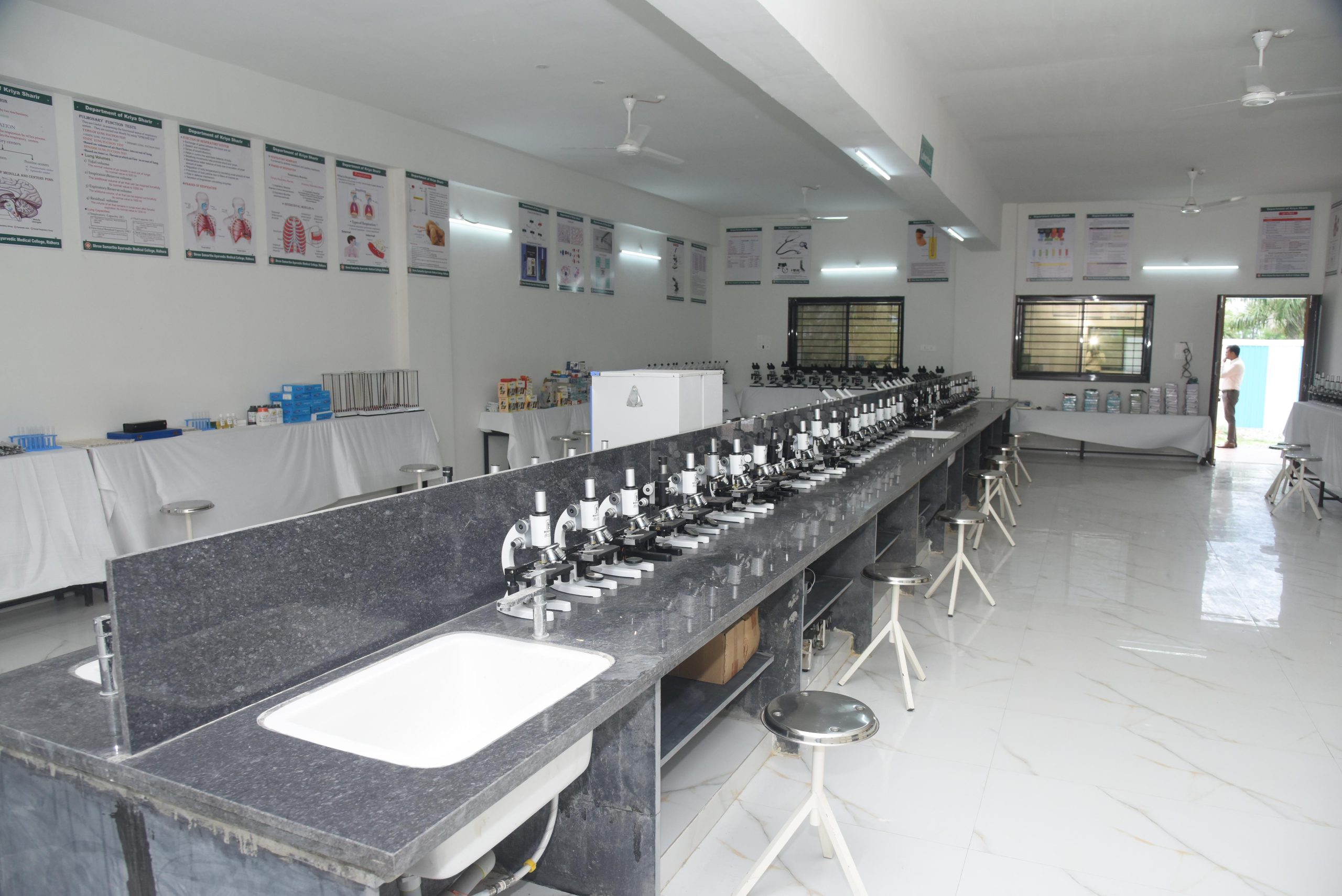
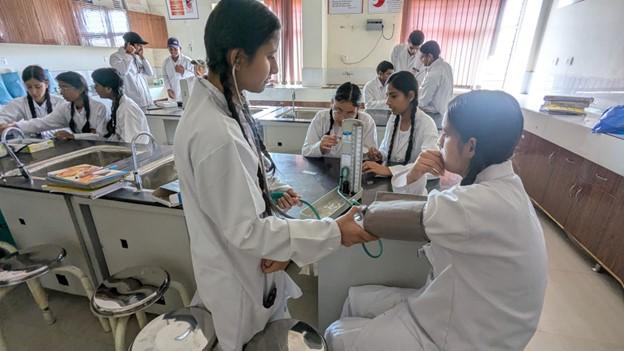
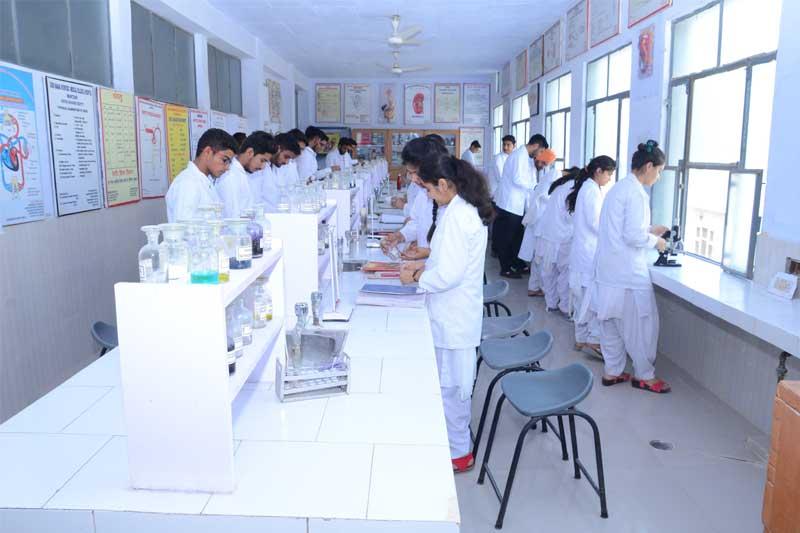
Teaching includes lectures, practical demonstrations, experimental physiology, group discussions, tutorials, and seminars. Modern physiological instruments are used for demonstrations and clinical understanding.
Core Areas of Study
Students learn about Tridosha Siddhanta, Sapta Dhatu, Ojas, Agni, Srotas, metabolism, digestion, circulation, respiration, nervous system functions, endocrine physiology, reproductive physiology, and mental health concepts.
Research and Clinical Application
The department actively promotes research in Ayurvedic physiology and its application in preventive medicine, lifestyle disorders, stress management, and holistic healthcare systems.
Importance of Kriya Sharir
Understanding physiology is essential for disease diagnosis and treatment planning. Kriya Sharir forms the basis for understanding pathological changes and therapeutic interventions in Ayurveda.